CNC Machining Services

Expertly machined aluminum components for aerospace, automotive and electronics.

Trusted Aluminum CNC Machining Partner - RALLY

Secure the high-precision aluminum CNC machining services your projects require to succeed. Whether you are developing critical components for aerospace, automotive, medical devices, or consumer electronics, you get customized, flawless parts backed by strong R&D support to perfectly realize your designs.

Expand your market globally with total confidence, knowing every part you receive meets the strict quality and compliance standards of the US, Canada, and Europe. From your first rapid prototype to full-scale mass production, you will benefit from flexible, efficient solutions designed to accelerate your time-to-market.

Key Strengths:

  • Over 20 years of experience in CNC machining industry
  • Specialised in high precision, customised aluminum parts machining
  • Advanced equipment and technical team to ensure high quality production
  • No minimum order quantity requirement, suitable for small and large scale production
  • Fast production cycles and global logistics support
Your Machining Solutions

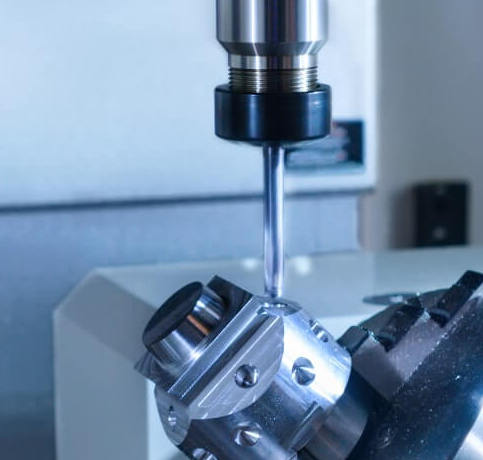
Aluminum CNC Milling

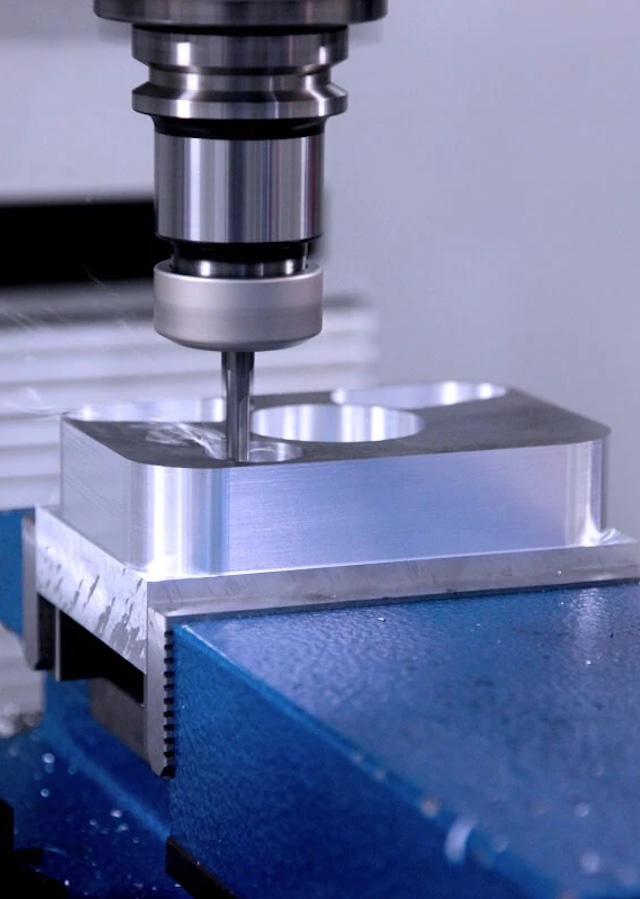
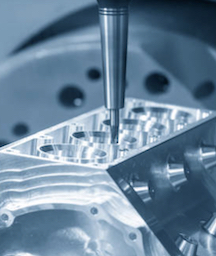
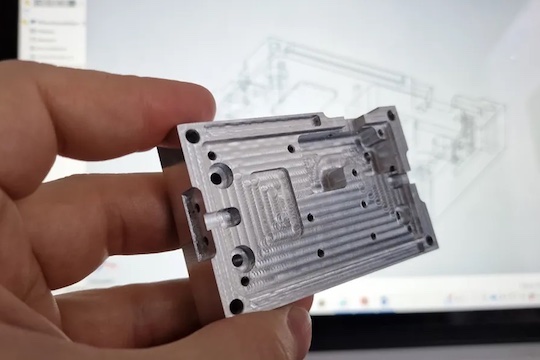
RALLY specializes in aluminum CNC milling, delivering precision-engineered parts with complex geometries.Advanced milling techniques ensure tight tolerances and high surface finishes for a variety of industrial applications.

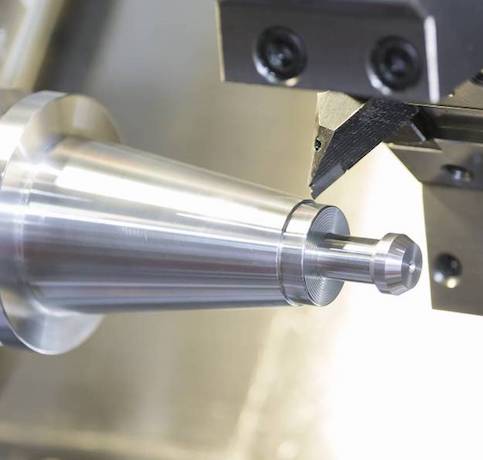
Aluminum CNC Turning

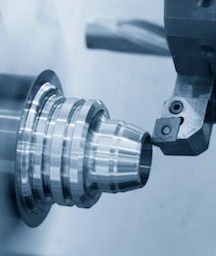
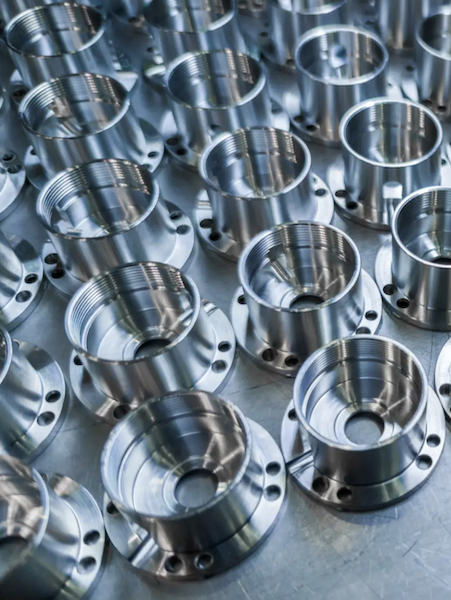
Get high-precision, round aluminum CNC turned components expertly tailored to your specifications. Through state-of-the-art lathes, you achieve superior accuracy and rapid production for both your prototypes and large batches.

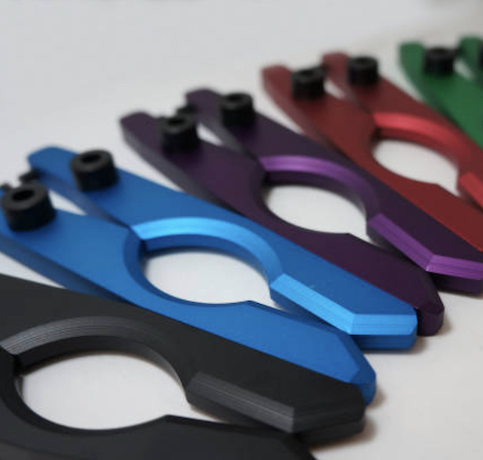
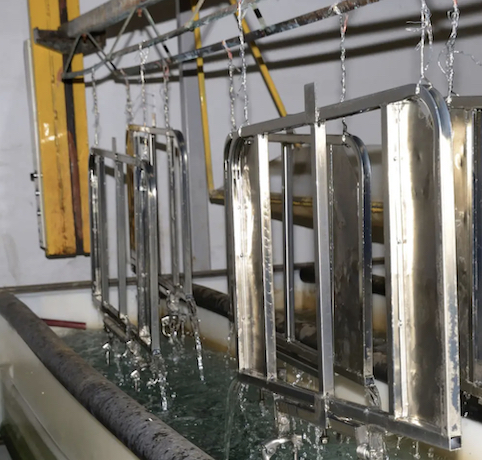
Aluminum Parts Surface Finishing

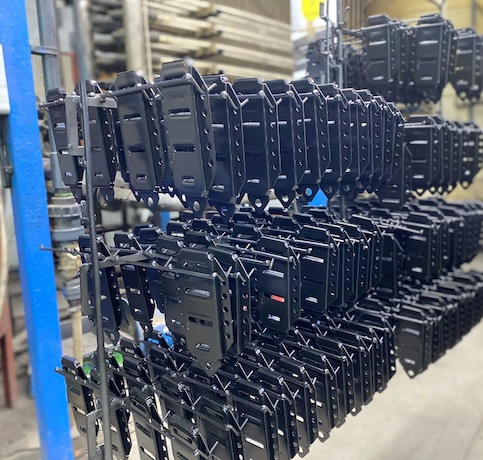
RALLY offers a range of surface finishing options for aluminum parts, including anodizing, powder coating, and polishing. These treatments enhance durability and aesthetics, meeting diverse client requirements for functionality and appearance.

Your Custom CNC Aluminum Parts

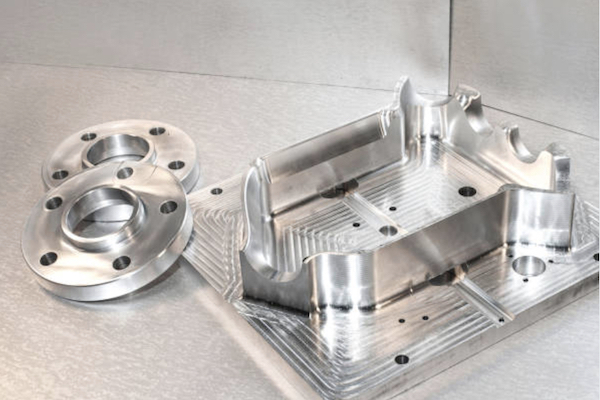
Source the exact custom CNC aluminum components your aerospace, automotive, or electronics innovations require. You can confidently achieve perfect alignment and lasting durability for your designs, as state-of-the-art CNC technology executes your specific project requirements with flawless precision.

Camera Lock Finger Grip

Quick Release Plate

Mounting Frame

Waveguide Component

Aluminum Air Inlet Flange

6061 Aluminum Hinge

Aluminum Waveguide Shim

Waveguide Choke Flange

Electronic Enclosure

CNC Aluminum Enclosure

CNC Aluminum Bike Stem

CNC Bicycle Aluminum Parts

Get a Quick Quote for Free Samples

Request a quick quote now and receive free samples of our precision CNC aluminum parts tailored to your specifications!

Surface Finishes For CNC Machined Aluminum Parts

Anodizing

This is an electrochemical process that improves the corrosion resistance and hardness of aluminum by forming an oxide film on its surface. The anodized layer can be transparent or colored.

Electroplating

Electroplating is the process of plating a layer of metal, such as nickel, chromium or zinc, on the surface of aluminim to improve corrosion resistance, abrasion resistance and electrical conductivity.

Sandblasting

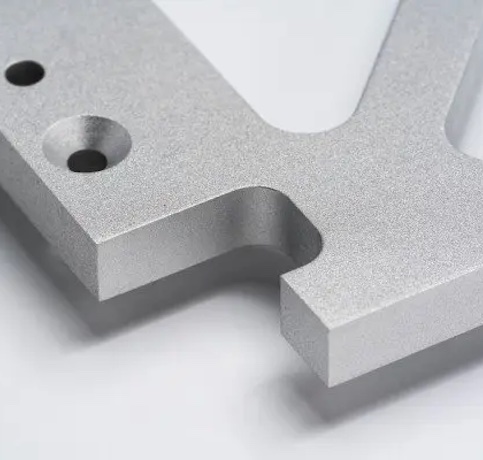
The surface of aluminum is cleaned and roughened by spraying abrasive particles (such as sand or glass beads) at high pressure. Oxide layers, burrs and surface defects can be removed.

Polishing

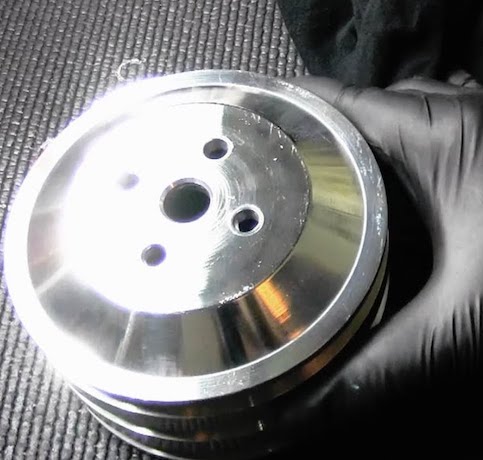
Polishing uses abrasives and polishing wheels to polish the surface of aluminum to a smooth, mirror-like finish. Polished finishes are used for decorative parts and consumer electronics housings.

Coating

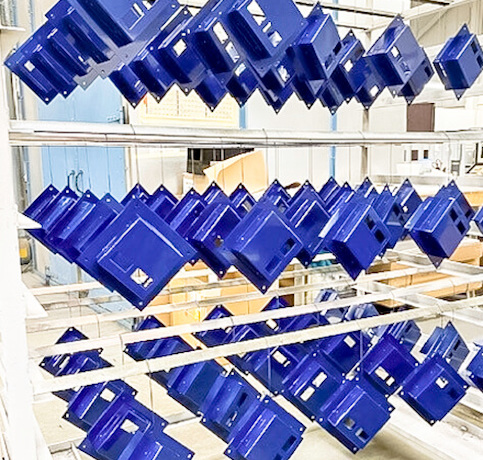
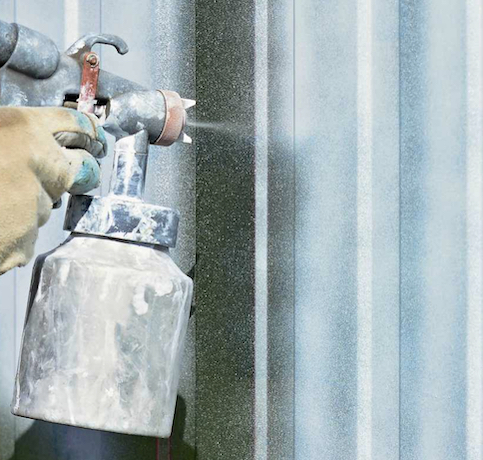
Coating includes methods such as spraying, powder coating and painting. An organic or inorganic coating is applied to the surface of aluminum to provide additional protection and aesthetics.

Chemical Conversion Coating

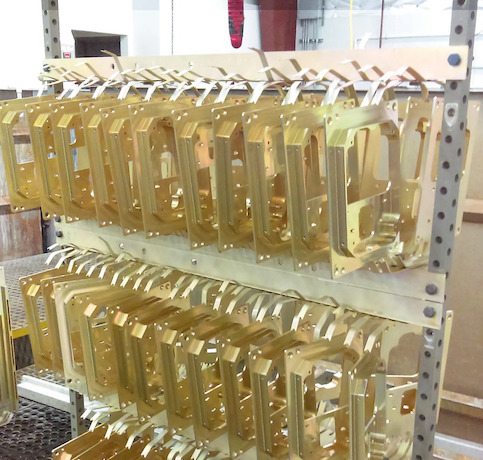
Chemical oxidation, also known as passivation, forms a thin protective film, such as a chromate conversion film, on the surface of aluminum by means of a chemical reaction.

Painting

Painting is the application of paint or other coatings to aluminum surfaces to provide colour and protection.

Electrophoretic Coating

It is a method of uniformly depositing charged paint particles on aluminum surfaces under the action of an electric field.

Laser Marking

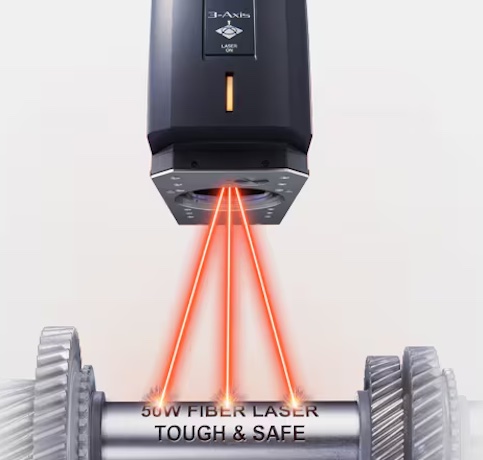
Laser marking is a precise method for engraving text, logos, or patterns on various materials, enhancing product identification and traceability.

Choosing the Right Surface Finish For CNC Aluminum Parts

Selecting the appropriate surface finish for your CNC machined aluminum parts depends on the specific requirements of your application, including aesthetics, corrosion resistance, wear resistance, and functionality. At RALLY, we offer a wide range of surface finishes to meet your needs, ensuring that your parts not only perform well but also look great. Our expertise in surface treatments guarantees high-quality results that enhance the durability and appearance of your aluminum components.

FAQ for Aluminum CNC Machining Services

1. What is the standard CNC machining tolerance you can achieve?

We routinely achieve tolerances of ±0.05mm for most metal parts. For critical features, we can hold tight tolerances down to ±0.01mm, ensuring flawless assembly for your designs.

2. What 3D CAD file formats do you accept for quoting?

We accept STEP (.stp), IGES (.igs), SolidWorks (.sldprt), and X_T files. A 2D PDF drawing detailing your specific tolerances and surface finish requirements is also highly recommended.

3. Can you handle complex geometries with 5-axis CNC machining?

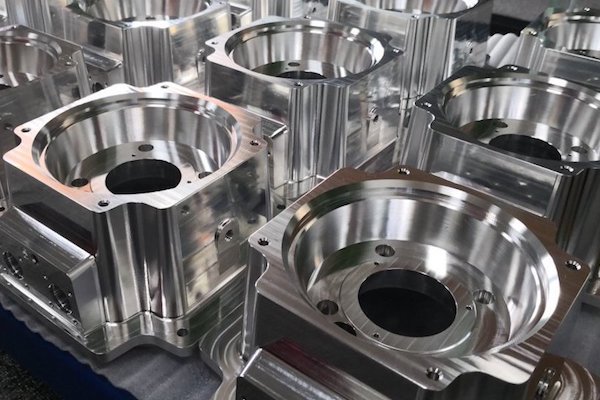
Absolutely. Our advanced 5-axis CNC centers allow us to machine highly complex parts, such as acoustic enclosures and aerospace components, in a single setup, minimizing cumulative errors.

4. What surface finishes are available for aluminum parts?

We offer a full spectrum of finishes, including As-Machined, Bead Blasting, Anodizing (Type II & Hardcoat Type III), Brushing, and Polishing, perfectly matching your aesthetic and functional needs.

5. How fast can I receive my CNC machined prototypes?

Depending on the part's complexity, we can manufacture and ship rapid prototypes in as fast as 3 to 5 business days, keeping your project timeline strictly on track.

6. Can you provide material certificates and inspection reports?

Yes. We can provide raw material certificates (RoHS/SGS compliant) and comprehensive inspection reports, including First Article Inspection (FAI) and CMM data, giving you total peace of mind.

7. Do you provide Design for Manufacturability (DFM) analysis?

Yes. Our engineering team reviews your CAD files for free before production. We will suggest design optimizations to reduce your machining costs and improve part performance.

8. How long does it take to get a quotation?

Once you upload your CAD files and specific requirements, our team will provide a detailed, competitive quote within 12 to 24 hours.
Get in Touch
Ready to get started? Contact us today for a free quote!
Metal Material

Aluminum, Brass, Stainless Steel, Carbon Steel, Copper, Titanium, etc.

Plastic Material

Acetal (Delrin), PTFE (Teflon), Acrylic (PMMA), PEEK, Nylon, ABS, PC, PP, POM, HDPE, PVC.

Surface Finishing

Anodizing, Powder Coating, Plating, Passivation, Bead Basting, Polishing, etc.

Inquiry Form

Let’s Start A New Project Today, Get Free Samples!

All You Need To Know About Aluminum CNC Machining

Table of Contents

Properties of aluminum

Lightweight:

Aluminum is significantly lighter than many other metals, making it ideal for applications requiring weight reduction, such as aerospace and automotive, where improved performance and fuel efficiency are crucial.

High Strength-to-Weight Ratio:

Aluminum offers an excellent strength-to-weight ratio, providing substantial strength without adding excessive weight. This property is essential for creating robust and durable parts in demanding applications.

Corrosion Resistance:

Aluminum naturally forms a protective oxide layer, enhancing its resistance to corrosion. This makes it suitable for use in harsh environments, such as marine and outdoor applications, reducing the need for additional coatings.

Excellent Machinability:

Aluminum’s excellent machinability allows for easy and efficient cutting, shaping, and finishing using CNC techniques. Its softness compared to other metals enables faster machining speeds and longer tool life, reducing production costs.

Aluminum CNC Machining Applications

Aluminum CNC machining offers versatility and precision, making it suitable for various industries. Below is a detailed breakdown of common application areas and examples:

IndustryApplication ExamplesDescription
AerospaceStructural components, brackets, housings, heat sinksLightweight yet durable aluminum parts for aircraft interiors and cooling systems.
AutomotiveEngine components, transmission housings, wheels, bracketsPrecision parts for engines and chassis, contributing to fuel efficiency.
ElectronicsDevice enclosures, heat sinks, connectorsExcellent thermal conductivity for cooling systems in electronic devices.
Medical DevicesEquipment frames, housings, surgical instrumentsNon-corrosive and lightweight parts for diagnostic tools and operating equipment.
RoboticsFrames, joints, gear housings, sensor mountsAluminum parts ensure structural stability and precise movement.
Consumer GoodsBicycle frames, sports equipment, household appliancesLightweight and corrosion-resistant materials for enhanced performance and durability.

Aluminum’s lightweight, corrosion-resistant, and thermally conductive properties make it ideal for various industries. Whether in aerospace, automotive, or medical fields, RALLY’s CNC aluminum machining services ensure high precision and reliability to meet demanding project requirements.

What is the easiest machinable aluminum?

The easiest machinable aluminum alloy is 6061 aluminum. This alloy is highly popular in CNC machining due to its excellent balance of strength, corrosion resistance, and workability. It is also easy to machine, making it ideal for creating precision parts in various industries such as aerospace, automotive, and consumer electronics.

6061 aluminum’s moderate strength, good thermal conductivity, and ability to be anodized for better surface finish further enhance its machinability, making it a preferred choice for many machining projects.

Aluminum Alloy 6061

  • Machinability: Excellent, with a machinability rate of approximately 270%.
  • Characteristics: This alloy is versatile, has good corrosion resistance, and is widely used in various applications including automotive parts and structural components.
  • Applications: Commonly found in CNC machining shops, it is ideal for general engineering and fabrication tasks due to its balance of strength and ease of machining.

What is the difference between CNC 7075 and 6061?

The differences between CNC 7075 and 6061 aluminum are significant, particularly regarding their mechanical properties, machinability, corrosion resistance, and typical applications. Here’s a detailed comparison:

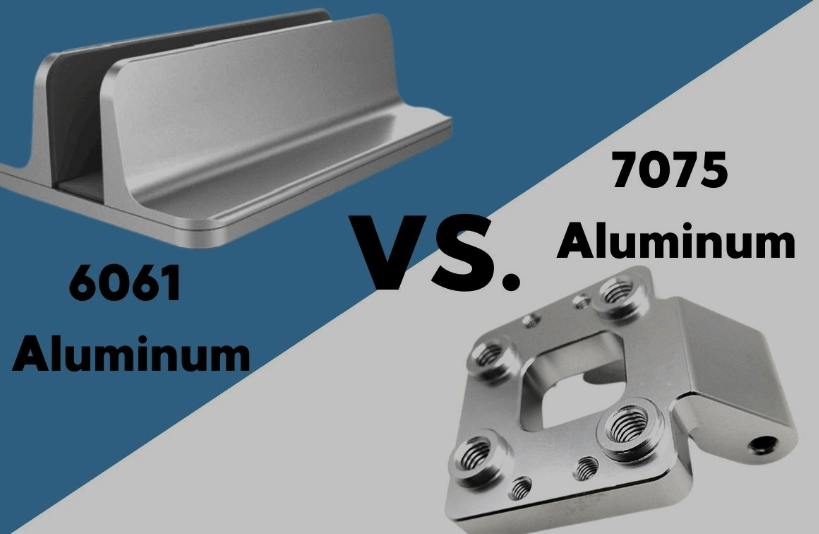
6061-aluminum-vs-7075-aluminum

Key Differences Between CNC 7075 and 6061 Aluminum:

Category6061 Aluminum7075 Aluminum
Chemical CompositionPrimarily alloyed with silicon (0.6%-0.7%) and magnesium (0.9%-1.2%), part of the 6000 series.Alloyed mainly with zinc (5.6%) and copper (1.6%), part of the 7000 series.
StrengthTensile strength of approximately 276 MPa (T6 condition).Nearly double the strength of 6061, with a tensile strength of approximately 503 MPa (T6 condition).
HardnessBrinell hardness of around 95, softer and more deformable.Higher Brinell hardness of around 150, more resistant to wear and deformation.
MachinabilityExcellent machinability, easier to cut and shape, ideal for complex parts.Fair machinability; harder and stronger, leading to more tool wear during machining.
Corrosion ResistanceBetter corrosion resistance due to higher silicon content, suitable for moisture-exposed environments.Lower corrosion resistance due to higher copper content, making it more susceptible to oxidation.
WeldabilityExcellent weldability, compatible with TIG and MIG welding methods.Poor weldability unless annealed; welding can reduce strength in heat-affected zones.
ApplicationsUsed in automotive parts, structural components, marine applications, and general manufacturing.Primarily used in aerospace, military, and high-stress applications where strength is critical.

Summary Table

Property6061 Aluminum7075 Aluminum
Alloy Series60007000
Main Alloying ElementsSilicon & MagnesiumZinc & Copper
Tensile Strength (MPa)~276~503
Hardness (Brinell)~95~150
Corrosion ResistanceBetterLower
MachinabilityGoodFair
WeldabilityExcellentPoor
Common ApplicationsAutomotive, structuralAerospace, military

In conclusion, the choice between CNC machining with 7075 or 6061 aluminum should be based on the specific requirements of your project—whether you prioritize strength (favoring 7075) or machinability and corrosion resistance (favoring 6061).

What is the best aluminum for CNC machining?

The best choice of aluminum depends on the specific requirements of the project. However, the most common and versatile aluminum alloys for CNC machining include:

6061 Aluminum

6061 aluminum is highly versatile and offers excellent machinability, good strength, and corrosion resistance. It is ideal for a wide range of applications, including automotive parts, aerospace components, industrial machinery, and consumer electronics, making it a go-to choice.

7075 Aluminum

7075 aluminum is known for its exceptional strength and fatigue resistance. It is suitable for high-stress applications such as aerospace structures, military equipment, and performance automotive parts, where superior mechanical properties and durability are crucial.

6082 Aluminum

6082 aluminum offers good machinability and corrosion resistance with medium strength. It is commonly used in structural applications, such as bridges, cranes, and transportation systems, where durability and resistance to environmental factors are essential.

2024 Aluminum

2024 aluminum is recognized for its high strength and excellent fatigue resistance. It is frequently used in aerospace applications, including aircraft structures and high-stress components, where these properties are critical for performance and safety.

Can you CNC 6061 aluminum?

Yes, 6061 aluminum is perfect for CNC machining. In particular, the 6061-T6 variant, which is one of the most commonly used aluminum alloys for CNC machining. This alloy is favoured for its excellent properties, which include:

1. Good machinability: 6061-T6 is known for its ease of machining, allowing for precise cuts and shapes. It can achieve tight tolerances, making it suitable for machining complex parts.

2. Corrosion resistance: This alloy has good corrosion resistance, making it ideal for use in a variety of environments, including harsh or wet environments.

3. Strength and Durability: Although 6061-T6 is not the strongest aluminum alloy (e.g. 7075), it offers a good balance of strength and weight, making it suitable for structural applications.

4. Weldability: 6061-T6 is easy to weld, which facilitates the manufacture of complex assemblies.

In CNC machining, both milling and turning processes can be used to machine 6061 aluminum into the required components. This versatility makes it a popular choice for industries such as aerospace, automotive and general manufacturing.

In short, 6061 aluminum combines machinability, strength and corrosion resistance, making it an excellent choice for CNC machining.

Which aluminum is stronger 5052 or 6061?

When comparing the strength of aluminum alloys 5052 and 6061, 6061 aluminum is generally stronger than 5052. This distinction arises from several key mechanical properties:

Property5052 Aluminum6061 AluminumExplanation
Yield Strength193 MPa (28,000 psi)276 MPa (40,000 psi)6061 can withstand more stress before permanent deformation occurs.
Ultimate Tensile Strength228 MPa (33,000 psi)310 MPa (45,000 psi)6061 offers superior tensile strength, making it ideal for heavy loads.
Fatigue Strength117 MPa96.5 MPa5052 performs better under repetitive stress cycles, offering greater fatigue resistance.
Best Use CaseApplications requiring fatigue resistance and formingApplications requiring high structural strength and heavy load-bearingChoose 5052 for applications involving frequent stress cycles; choose 6061 for structural strength.

Summary

  • 6061 aluminum is preferred for applications that demand high structural strength and the ability to handle significant loads due to its superior yield and tensile strength.
  • 5052 aluminum, although less strong initially, performs better under repetitive stress cycles due to its higher fatigue strength, making it more suitable for applications that involve constant or repeated stress.


Ultimately, the choice between these two alloys depends on the specific requirements of your project. If structural strength is critical, 6061 is the better option. However, for forming or applications with repeated stress, 5052 may be the more appropriate choice。

What is the difference between forged aluminum and machined aluminum?

The difference between forged aluminum and machined aluminum primarily lies in their manufacturing processes, properties, and applications. Here’s a detailed comparison:

Manufacturing Processes: Forged Aluminum vs. Machined Aluminum

ProcessForged AluminumMachined Aluminum
DescriptionInvolves heating aluminum and shaping it under high pressure.Produced by cutting a solid aluminum block (billet) using CNC machines.
Strength & DurabilityAligns the internal grain structure, enhancing strength and durability.Offers excellent mechanical properties with precise shaping capabilities.
Production MethodForged parts are produced from a single mold, suitable for mass production.Allows for tight tolerances and complex geometries not achievable with forging.
Cost EfficiencyCost-effective for mass production due to reusable molds.Higher costs due to material waste and machining time.
Common AlloysTypically uses alloys like 6061 or 7075 for structural parts.6061-T6 and 7075-T6 are frequently used for their corrosion resistance and strength.
Best Use CaseIdeal for parts requiring high strength and durability, such as automotive or aerospace components.Suitable for intricate, high-precision parts in aerospace, medical devices, and electronics.

Applications:

  • Forged Aluminum: Typically used in applications where strength and durability are critical, such as in aerospace components, automotive parts (e.g., wheels and suspension parts), and high-stress industrial equipment.
  • Machined Aluminum: Preferred for complex, precision parts that require tight tolerances and detailed features, such as prototypes, enclosures, medical devices, and electronic housings.

Cost:

  • Forged Aluminum: Usually more expensive due to the intensive process and tooling required for forging.
  • Machined Aluminum: Generally more cost-effective for small production runs, as it allows for greater flexibility in design without needing specialized forging dies.

Choosing between forged and machined aluminum depends on the specific requirements of a project, including desired strength, precision, complexity of design, and budget constraints. Each method offers distinct advantages suited to different applications.

Is 6061 aluminum stronger than cast aluminum?

To determine whether 6061 aluminum is stronger than cast aluminum, we need to look at the specific properties of these materials, as “cast aluminum” can refer to various alloys, such as A380 or MIC-6.

Strength Comparison

6061 Aluminum

6061 aluminum is a precipitation-hardened alloy primarily composed of magnesium and silicon. It is known for its:

  • High strength-to-weight ratio: 6061-T6, a common temper of this alloy, has a yield strength of approximately 275 MPa and tensile strength around 310 MPa.
  • Excellent weldability: This makes it suitable for applications requiring strong joints.
  • Corrosion resistance: It performs well in various environments, which is crucial for many structural applications.

6061 aluminum is often used in construction, automotive, aerospace, and marine applications due to its versatility and mechanical properties.

What is rapid prototyping

Cast Aluminum

Cast aluminum typically refers to alloys like A380 or MIC-6, which are produced through casting processes. Their properties include:

  • A380 Aluminum: Known for its good casting performance, A380 has a yield strength of about 160 MPa and tensile strength around 310 MPa. It offers excellent fluidity and is often used in die casting for complex shapes.
  • MIC-6 Aluminum: This alloy is designed for precision machining with excellent dimensional stability. While it has good mechanical properties, it generally does not match the strength of 6061-T6.

Comparison Table

Property6061 Aluminum (T6)A380 Cast AluminumMIC-6 Cast Aluminum
Yield Strength (MPa)~275~160~250
Tensile Strength (MPa)~310~310~300
WeldabilityExcellentLimitedModerate
Corrosion ResistanceExcellentGoodGood

In general, 6061 aluminum (especially in the T6 temper) is stronger than typical cast aluminum alloys like A380, particularly in terms of yield strength. It also has superior weldability and corrosion resistance. However, when comparing it to MIC-6 cast aluminum, the strengths are closer, with MIC-6 being more suited for precision applications rather than structural ones.

Thus, if your application requires high strength and weldability, 6061 aluminum would be the preferred choice over most cast aluminum options.

What is the application of Aluminum 7075?

Aluminum 7075 is a high-strength alloy known for its excellent mechanical properties, corrosion resistance, and lightweight nature. It is widely used in industries where strength, toughness, and fatigue resistance are critical. Below are some of the primary applications:

IndustryApplication ExamplesReason for Use
AerospaceStructural components, aircraft wings, fuselage partsHigh strength-to-weight ratio and corrosion resistance.
AutomotiveSuspension systems, gears, driveshaftsDurable under high stress and impact; reduces vehicle weight for efficiency.
Defense & MilitaryFirearms, military-grade equipmentToughness and fatigue resistance in extreme conditions.
Sports EquipmentBicycle frames, rock climbing gear, golf clubsLightweight yet strong for enhanced performance and durability.
MarineBoat fittings, propellers, and high-performance hullsCorrosion resistance in marine environments.
Robotics & DronesStructural frames, joints, motor mountsLightweight for better maneuverability with high mechanical strength.
Medical DevicesProsthetics, surgical instrumentsCombines durability, lightweight design, and corrosion resistance.

Aluminum 7075 is favored in industries requiring high performance under stress. It is particularly well-suited for aerospace, automotive, and sports equipment, where weight savings and mechanical strength are essential.

Work with RALLY for Aluminum CNC Machining

Request a quote for new project today!  No minimum order quantity and free samples available!

Quick Quote

Let’s Start A New Project Today, Get Free Samples!